Why a Clear Invitation Helps a Gathering Find Its Shape
A clear invitation to a gathering sets out its purpose, practical details and ways to join in, helping neighbours decide what to expect and how to take part.
The common mistake with a village gathering is to send an invitation that says little more than “Come along and join us”. It sounds friendly, but leaves neighbours guessing what the event is for, how long it will last and whether they are expected to volunteer, speak or simply listen. A clear invitation to a gathering helps people decide whether and how to take part before they arrive.
That does not mean writing a formal notice for every cup of tea. The useful level of detail depends on the kind of gathering, the people you hope to reach and the decisions still to be made. Treat the invitation as a small promise about what someone can expect, not a sales pitch.
Name the kind of gathering you are calling
Before drafting, decide which description comes closest to your plan. Shared labels help set expectations: “planning meeting”, “drop-in”, “working gathering” and “social afternoon” suggest different roles for the people who come.
- If you need a decision, call it a meeting and name the decision. People should know whether the group is choosing a date, agreeing a rota or discussing a proposal.
- If people can arrive casually, call it a drop-in and say whether they can come and go. This suits an informal chat over tea, where staying for the whole session is not necessary.
- If there is a task to share, say it is a working gathering and describe the help wanted. A vague “come and help” can make a newcomer worry about being handed an unfamiliar job.
- If company is the point, call it a social gathering. People who would enjoy a quiet visit may hesitate if the invitation sounds like a committee meeting in disguise.
Some events combine these purposes. If neighbours will share a meal and discuss one practical question, state both parts and say which is central. “Tea and a short conversation about the hall’s winter opening” sets a different expectation from “a planning meeting with tea afterwards”. The distinction lets people choose with their eyes open.
State the purpose before polishing the wording
A good invitation answers a plain question: why are we gathering? Put the answer near the beginning, in everyday language. “We are meeting to agree how the shared noticeboard will be looked after” tells people more than “Let’s get together to talk about community spirit”. The first gives the conversation a clear focus; the second could mean almost anything.
If the purpose is exploratory, say so. A gathering might be for hearing views, collecting ideas or deciding whether a larger discussion is needed. Do not imply that a final decision will be made if organisers only want to listen. That mismatch can leave attendees feeling their time was used for a different purpose.
Name what is not on the agenda when doing so will prevent a likely misunderstanding. If a group is discussing how to use a room, for instance, it may help to say that no booking policy will be adopted that evening. Keep this boundary brief and relevant; a long list of exclusions can make a modest gathering sound forbidding.
Give the details people need to decide whether to come
Once the purpose is clear, add the information someone needs to make a real decision about attending. Give the date, start time, expected finish or approximate duration, and venue, including a recognisable entrance or meeting point. If the event is outdoors, name a sensible fallback for poor weather. A location locals know by a nickname may still need a landmark or directions for newer residents.
Think beyond the address. Say whether people need to bring anything, whether refreshments will be available and whether there is a cost or a booking request. If the gathering includes a practical activity, describe it without implying specialist ability: sorting donated books is different from repairing a shelf. If people should not bring tools or supplies, say so.
Accessibility details belong in the same practical picture. Mention known features that affect attendance, such as steps at an entrance, uneven ground or the availability of a quieter place to sit. Do not guess what an individual needs. Offer a straightforward way to ask about access, with a named contact or monitored channel rather than a vague “get in touch”. Where venue rules or equipment instructions matter, follow the relevant guidance and state only what attendees need to know.
Say whether a reply is needed and why. A headcount for soup is different from registration for a limited-capacity discussion. If no reply is required, say that people can simply turn up. Avoid asking for personal information unless it has a clear purpose and someone is responsible for handling it.
Make the ways to take part clear
“Everyone is welcome” is warm, but it does not explain what welcome looks like. Some neighbours enjoy speaking in a group; others would rather listen, help with a small task or come for only part of the gathering. State which forms of participation fit the plan.
For a discussion, you might say that people can share a view aloud, pass a written note to the organiser or listen without speaking. For a working session, name a range of roles if they genuinely exist: setting out cups, keeping a list of suggestions or doing the hands-on task. Do not invent token jobs to make an invitation sound inclusive. A useful option is one the event can actually support.
Be candid about limits. If the room is small, a booking may be needed. If the group must settle a decision at the meeting, say who will take part in that decision and how absent neighbours can send comments, if that is possible. An open invitation should not quietly imply that every attendee has equal authority when the arrangement is different.
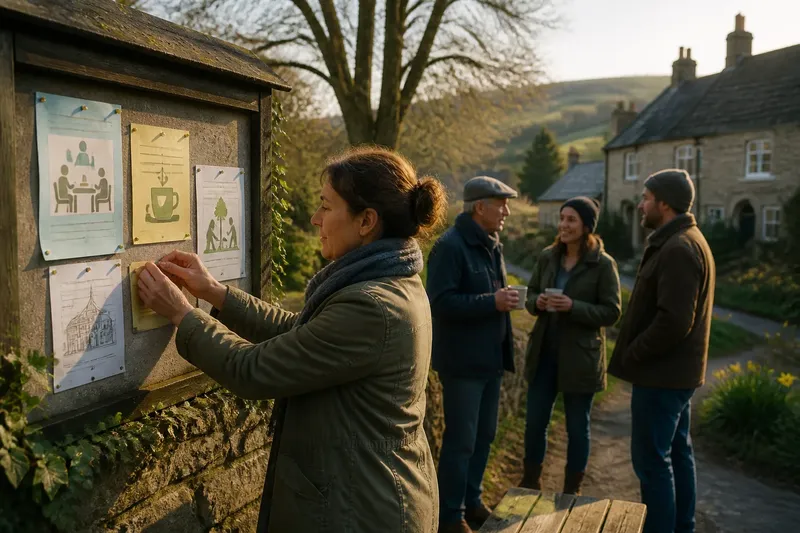
Keep the route into the gathering simple. A phone number on the village noticeboard may work better for some neighbours than an online form; a message through a local group may reach others. Use channels people already rely on, and keep time, place and purpose consistent between versions.
Match the invitation to the gathering
Sort your plan by what attendees most need to know, then choose an emphasis that fits.
- If the idea is uncertain, lead with the question to explore and say that no commitment is expected. This suits a conversation where neighbours’ views may change the plan. If organisers need a firm decision that evening, state that instead.
- If a decision is needed, name the options or proposal and explain how people can contribute. If attendees will only advise a separate committee, identify who makes the final decision.
- If there is a practical task, describe the work, the experience needed and whether a lighter role is available. If the task has safety requirements, arrange appropriate supervision and rely on relevant guidance rather than improvising instructions.
- If the gathering is social, describe the welcome, likely rhythm and whether people can drop in briefly. Do not make it sound like a formal consultation if nobody needs to provide formal feedback.
- If first-time visitors may attend, say who will greet them, where to enter and what will happen first. Regulars may know the routine, but newcomers may not.
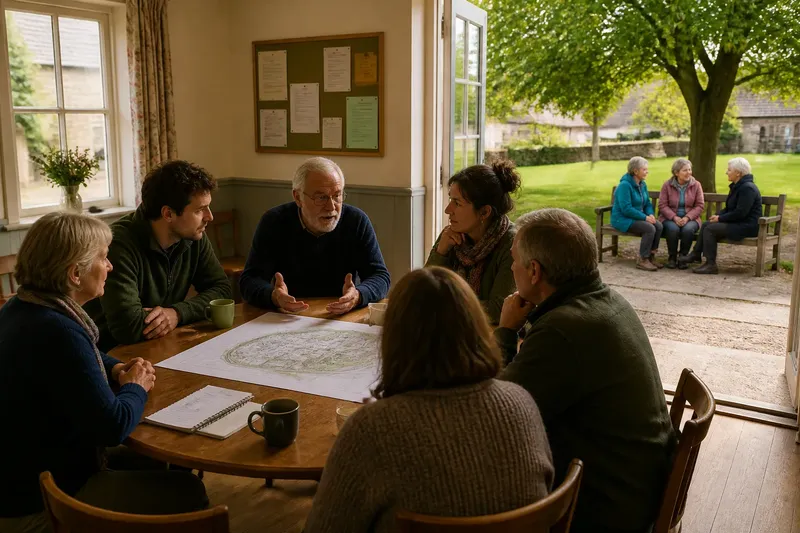
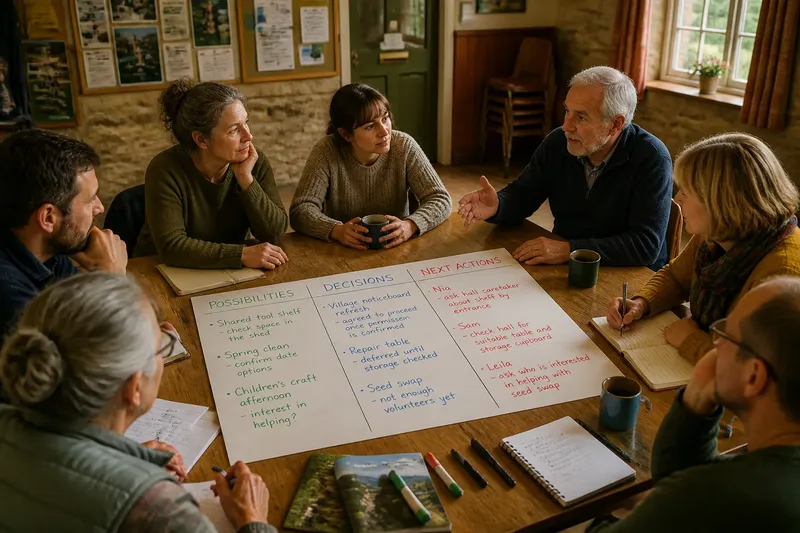
Imagine a residents’ group wants to discuss a neglected noticeboard. The starting point is an unclear plan: organisers know the board needs attention, but have not decided whether to repair, replace or relocate it. They change “Come and help us sort it out” to an invitation for a short discussion, name those three options, give the meeting point and say listening is welcome. The expected result is that neighbours can judge whether the discussion suits them, and arrive knowing no repair work has been assigned.
What should a clear invitation answer?
How much detail belongs in a short notice?
Include the purpose, date, start and finish, place, reply arrangements and main ways to take part. If space is tight, use a contact route for extra directions or access information, but keep the invitation understandable on its own.
Should organisers ask people to confirm attendance?
Ask for a reply when it serves a real need, such as arranging food or managing a limited-capacity activity. If people can simply arrive, say so; an unnecessary reply request can become a small barrier.
How can an invitation welcome quieter neighbours?
Explain that listening is acceptable and offer a practical alternative, such as sending a note before the gathering. Use that option only if someone will read the note and bring its contribution into the discussion.
What if the plan changes after the invitation goes out?
Update the channels used for the original message, state plainly what changed and contact anyone who replied directly. If the change affects the purpose, venue or expected role, do not rely on a small edit that people may miss.
Check the invitation before sharing it
Read the wording as someone who has never attended one of your gatherings. Check each point, then make the decision that follows:
- Purpose: If a newcomer can identify why the gathering is happening, keep the wording; if not, add the specific question, task or decision.
- Timing: If the date, start and expected finish are clear, leave them; if one is missing, add it before sharing.
- Place: If a first-time visitor can find the entrance or meeting point, keep the directions; if not, add a landmark or a clearer route.
- Participation: If the invitation explains whether people may listen, speak, help or drop in, keep those options; if not, state the real ways to join in.
- Reply: If a response is needed, state what it is for and how to send it; if none is needed, say people can turn up without replying.
- Access: If known access details and a useful contact are included, keep them; if not, check the venue and add accurate information or a way to ask.
It is not worth the effort to invent a slogan, build a complicated sign-up system for a casual visit or explain every possible scenario in advance. Those extras can obscure the useful details. A short invitation may be enough when the event is familiar and low-key; a new or decision-making gathering usually needs more context.
A clear invitation to a gathering makes the purpose honest, the practical details usable and the participation options real. Send it through a channel neighbours can reach, and keep one person responsible for answering questions. Before it goes out, check that the invitation says what will happen if someone arrives late or can stay only briefly; that small detail can help a neighbour take part when a full session is not possible.